Global Water Crisis: Engineering Breakthroughs for Clean Access

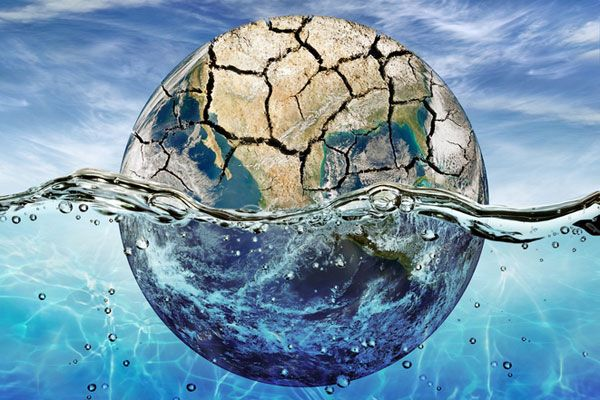
The narrative of human civilization has always been written in the path of water. From the ancient aqueducts of Rome to the massive desalination plants of the modern Middle East, our ability to thrive has been dictated by our access to clean, potable water. However, as we move deeper into the 21st century, we find ourselves at a critical juncture. Rapid population growth, climate-driven droughts, and industrial pollution are putting an unprecedented strain on the world’s most precious resource. Today, over two billion people lack access to safely managed drinking water services, a reality that fuels disease, poverty, and geopolitical instability.
Yet, amidst these daunting challenges, a wave of technological innovation is rising. We are currently witnessing a golden age of water technology, where breakthroughs in materials science, nanotechnology, and renewable energy are converging to solve problems that were previously deemed insurmountable. From the ability to pull drinking water directly from thin air to the creation of graphene filters that can turn seawater into freshwater with minimal energy, the “Impossible” is becoming “Operational.”
This comprehensive analysis explores the most significant technological breakthroughs in clean water access. We will examine the mechanics of atmospheric water generation, the revolution in membrane technology, the shift toward circular water economies, and the digital tools that are optimizing every drop. This is not just a report on technology; it is a blueprint for a water-secure future where the scarcity of the past is replaced by the abundance of the future.
A. Harvesting the Atmosphere: Water from Thin Air
One of the most revolutionary shifts in water technology is the move away from traditional sources like rivers and aquifers toward the atmosphere. Earth’s atmosphere holds an estimated $12,900$ cubic kilometers of water vapor at any given time—a massive, renewable reservoir that remains largely untapped.
- 1. Active Atmospheric Water Generators (AWG): Traditional AWGs operate much like a dehumidifier. They use a cooling coil to lower the air temperature below its dew point, causing water to condense. While effective, older models were energy-intensive. The breakthrough lies in the integration of renewable energy—solar-powered AWGs are now providing clean water to remote schools and clinics in sub-Saharan Africa without needing a power grid.
- 2. Metal-Organic Frameworks (MOFs): Perhaps the most exciting development in this field is the use of MOFs. These are engineered crystalline materials with incredibly high surface areas. MOFs act like “molecular sponges” that can pull water molecules from the air even in arid, desert conditions with humidity as low as 10%. By using the heat from natural sunlight, the MOF releases the captured water, providing a passive, energy-free source of pure drinking water in the driest places on Earth.
- 3. Advanced Fog Harvesting: In coastal mountainous regions, giant mesh nets are being deployed to “catch” fog. New biomimetic coatings, inspired by the Namib Desert beetle, allow these nets to capture water droplets more efficiently and funnel them into storage tanks. These systems are now providing entire villages in Chile and Morocco with their primary source of hydration.
B. The Membrane Revolution: Graphene and Nanotechnology
Desalination—the process of removing salt from seawater—has long been seen as the “Holy Grail” of water access. However, traditional Reverse Osmosis (RO) is expensive and consumes vast amounts of electricity. Modern breakthroughs are focusing on the molecular level to make this process faster and cheaper.
- 1. Graphene Oxide Filters: Graphene, a single layer of carbon atoms, is the world’s strongest material. Scientists have developed graphene oxide membranes with “tunable” pore sizes. These pores are large enough to let water molecules through but small enough to block salt ions. Unlike traditional polymer filters, graphene filters are incredibly durable and require significantly less pressure to operate, potentially slashing the energy cost of desalination by 50% or more.
- 2. Carbon Nanotubes (CNTs): These are cylindrical molecules that allow water to flow through them at speeds up to 1,000 times faster than through traditional materials. By embedding CNTs into membranes, engineers can create high-flux filters that produce more water in a smaller footprint.
- 3. Aquaporin-Based Membranes: Nature has already perfected water filtration through aquaporins—proteins in our cell membranes that selectively transport water. Biomimetic membranes that incorporate these proteins are now entering the commercial market, offering high selectivity and reducing the “biofouling” (the buildup of bacteria) that typically ruins industrial filters.
C. From Waste to Wealth: The Circular Water Economy
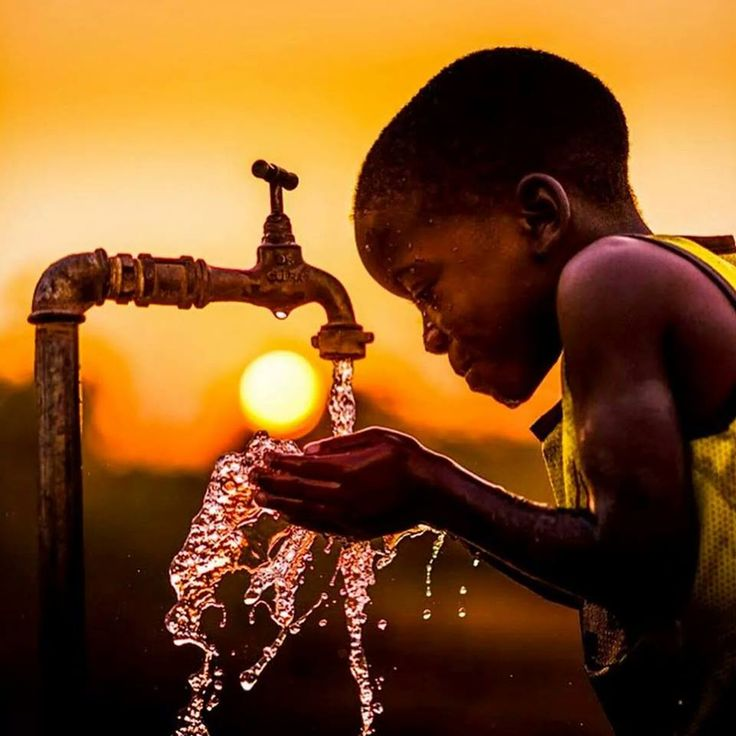
The traditional linear model of “extract, use, and discard” is being replaced by a circular model where wastewater is viewed as a valuable resource rather than a nuisance.
- A. Advanced Oxidation Processes (AOP): Treating industrial wastewater is notoriously difficult due to “forever chemicals” like PFAS. AOP breakthroughs use combinations of ozone, hydrogen peroxide, and UV light to create powerful radicals that break down even the most stubborn pollutants into harmless components, allowing industrial water to be recycled indefinitely.
- B. Decentralized Wastewater Treatment: Instead of massive, centralized sewage plants, communities are adopting decentralized “Living Machines.” These are engineered ecosystems that use plants, snails, and microorganisms to treat sewage naturally. The resulting water is used for irrigation or toilet flushing, significantly reducing the demand for “virgin” freshwater.
- C. Nutrient Recovery: Breakthroughs in chemical engineering are allowing treatment plants to harvest phosphorus and nitrogen from wastewater. These nutrients are then processed into high-grade fertilizers, turning a treatment cost into a revenue stream while preventing the toxic algae blooms caused by nutrient runoff in our oceans.
D. Solar Distillation and Passive Purification
For many communities, the issue isn’t a lack of water, but a lack of clean water. In areas without electricity, passive purification is the key.
- 1. Solar Stills with Photothermal Materials: A classic solar still uses the sun’s heat to evaporate water, leaving contaminants behind. Modern breakthroughs involve placing a “floating solar absorber” on the water’s surface. These materials concentrate solar energy right at the air-water interface, speeding up evaporation by 300% to 400%.
- 2. Portable UV-LED Systems: Traditional UV purification required bulky mercury lamps and high power. The transition to UV-LED technology has allowed for the creation of portable, battery-powered (or hand-cranked) devices that can kill 99.9% of pathogens in seconds. These devices are becoming standard equipment for disaster relief and rural health workers.
- 3. Antimicrobial Ceramics: Inexpensive clay filters are being enhanced with silver nanoparticles. These particles act as a potent antimicrobial agent, ensuring that the water remains sterile even after it has been filtered.
E. Digital Water: AI and the Internet of Things (IoT)
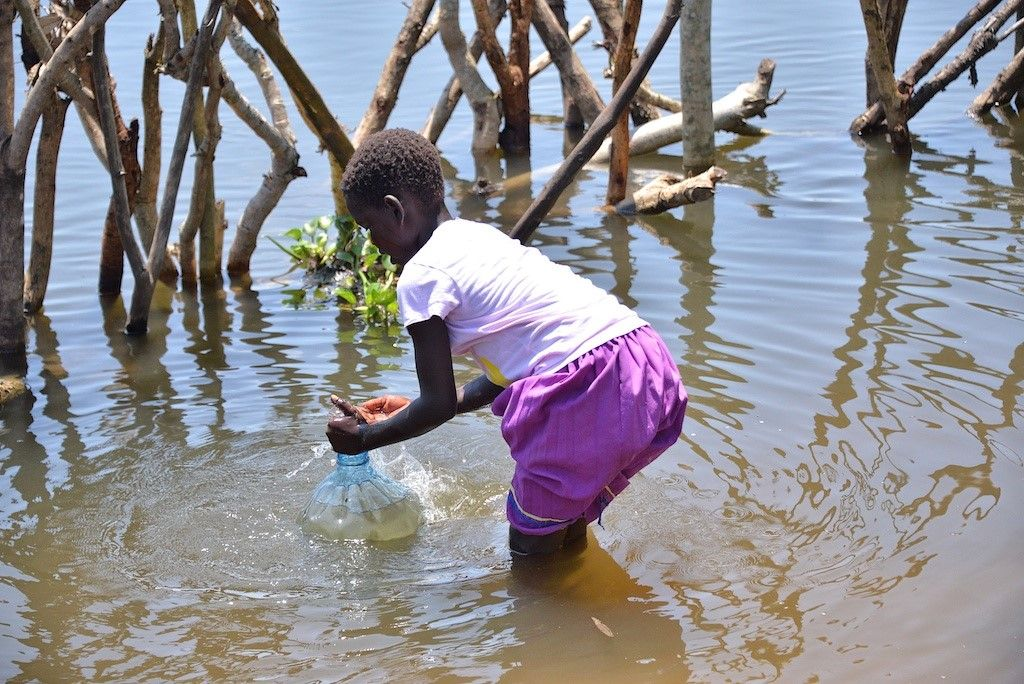
Technology is not just about filters and pumps; it’s about data. The “Digital Water” movement is using software to eliminate the massive waste inherent in aging infrastructure.
- A. Smart Leak Detection: In some cities, up to 40% of treated water is lost to leaks before it ever reaches a tap. IoT sensors placed throughout the pipe network now use acoustic AI to “listen” for leaks. These sensors can pinpoint a pinhole leak miles away, allowing for surgical repairs before a catastrophic pipe burst occurs.
- B. AI-Optimized Desalination: Artificial Intelligence is being used to manage the complex chemistry and energy loads of desalination plants. By predicting changes in seawater temperature and salinity, AI can adjust the plant’s operations in real-time, maximizing output while minimizing energy spikes.
- C. Blockchain for Water Rights: In water-stressed agricultural regions, blockchain technology is being used to create transparent, peer-to-peer water trading markets. This ensures that water is allocated to where it is most needed and incentivizes farmers to adopt water-saving technologies so they can sell their “surplus” on the digital exchange.
F. The Human Element: Overcoming Social and Economic Barriers
While the technology exists, the final breakthrough must be in accessibility and policy. A graphene filter is useless if a community cannot afford it or lacks the training to maintain it.
- 1. Social Franchising Models: Organizations are treating clean water as a business opportunity for locals. By providing “water kiosks” that use advanced filtration, they create local jobs and ensure that the equipment is maintained by someone with a vested interest in the community’s health.
- 2. Policy and Subsidies: Governments are beginning to recognize water access as a basic human right, leading to subsidies for solar-powered technologies and stricter regulations on industrial groundwater extraction.
- 3. Education and Hygiene: Technology must be paired with education. Breakthroughs in behavioral science are helping agencies design better hygiene campaigns that ensure clean water is handled safely within the home to prevent re-contamination.
Conclusion: Navigating the New Water Frontier
The global water crisis is undeniable, but it is not our destiny. The breakthroughs we see today—from the molecular precision of graphene filters to the digital intelligence of IoT networks—represent a fundamental shift in our relationship with this vital resource. We are moving away from being passive consumers of a shrinking pool of water and becoming active managers of a renewable, circular cycle.
Mastering clean water access requires a multi-pronged approach: we must continue to fund the basic research into materials science, incentivize the adoption of digital efficiency tools, and ensure that these life-saving technologies are deployed equitably across the globe. The engineering is ready, the science is proven, and the digital tools are in place. If we commit to this transformation, the 21st century will be remembered not as an era of water wars, but as the time when humanity finally secured its most fundamental need for every person, everywhere.