The boundary between the physical and virtual realms is dissolving. We are entering an era where every physical object, process, or system—from a simple household appliance to a sprawling metropolitan city—can have a sentient, living digital counterpart. This is the world of Digital Twins. Far more than just a static 3D model or a sophisticated CAD drawing, a digital twin is a dynamic, data-driven virtual representation that mirrors its physical twin in real-time. It is a bridge that allows us to peek into the future, simulate “what-if” scenarios, and optimize performance with a level of precision that was previously the stuff of science fiction.
As we stand on the precipice of the Fourth Industrial Revolution (Industry 4.0), digital twins have emerged as one of the most transformative technologies of our time. By integrating the Internet of Things (IoT), Artificial Intelligence (AI), and high-performance computing, digital twins provide a “single source of truth” for complex systems. They allow engineers to test jet engines before they take flight, doctors to simulate surgeries on a patient’s virtual heart, and urban planners to predict how a new skyscraper will affect wind patterns and traffic flow. This technology is not just about mirroring reality; it is about mastering it.
This comprehensive guide explores the intricate architecture of digital twins, their diverse applications across industries, and the profound impact they are poised to have on our economy and society. We will examine how this technology drives efficiency, reduces waste, and fosters innovation, while also addressing the technical and ethical challenges that must be overcome to realize its full potential.
The Architecture of a Digital Twin: How It Works
To understand a digital twin, one must look beyond the visual interface. At its core, a digital twin is a complex ecosystem of data, models, and connectivity. It operates through a continuous feedback loop between the physical and virtual worlds.
A. Data Acquisition and Sensors: The process begins in the physical world. Sensors are embedded into the physical object to capture real-time data on various parameters—temperature, pressure, vibration, location, and speed. This is the “nervous system” of the digital twin.
B. Connectivity and the IoT: The captured data is transmitted via the Internet of Things (IoT) to a cloud-based or edge-computing platform. This transmission must be high-speed and low-latency to ensure the virtual model remains an accurate reflection of the physical reality.
C. The Virtual Model: This is the digital “brain.” It incorporates geometric data (CAD), physics-based models (simulating how materials behave), and historical data. This model is not static; it evolves as it receives more data from its physical counterpart.
D. Analytics and AI: Once the data reaches the virtual model, advanced analytics and AI algorithms take over. They process the incoming stream of information to identify patterns, detect anomalies, and predict future states. This is where the “intelligence” of the digital twin resides.
E. The Feedback Loop: The final, and perhaps most crucial, step is the action taken based on the digital twin’s insights. These insights are sent back to the physical world—either as automated commands to the physical asset (to adjust a valve or slow down a motor) or as data-driven recommendations to human operators.
Sector Spotlight: Transformative Applications of Digital Twins
The versatility of digital twin technology means its applications are limited only by our imagination. Currently, several key sectors are leading the charge in adoption.
A. Manufacturing and Industry 4.0
In the manufacturing sector, digital twins are the cornerstone of the “Smart Factory.” They allow manufacturers to create a virtual replica of the entire production line.
- Predictive Maintenance: Instead of waiting for a machine to break down, digital twins predict when a part is likely to fail, allowing for maintenance to be scheduled during planned downtime.
- Prototyping and Testing: New products can be tested in a virtual environment, drastically reducing the cost and time associated with physical prototyping.
- Supply Chain Optimization: Digital twins can mirror entire supply chains, allowing companies to simulate disruptions and optimize logistics in real-time.
B. Urban Planning and Smart Cities
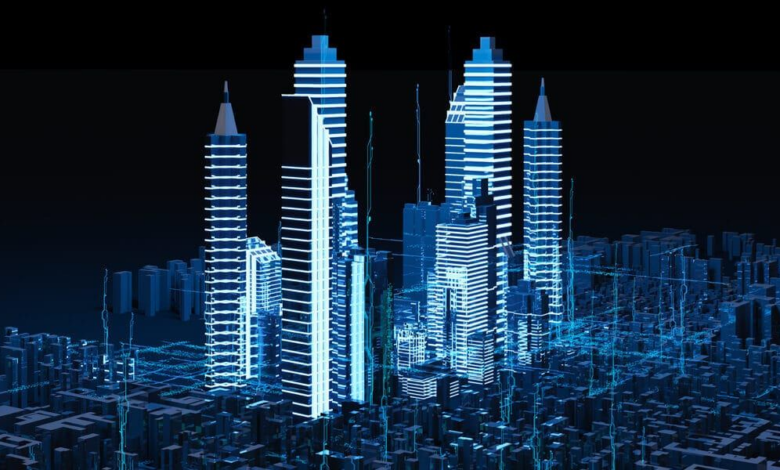
Imagine a city that can “feel” and “react.” Digital twins of urban environments are helping planners build more resilient and efficient cities.
- Traffic Management: By mirroring traffic flow, cities can adjust signal timings in real-time to reduce congestion and emissions.
- Energy Efficiency: Digital twins of buildings can optimize HVAC and lighting systems based on occupancy and weather patterns.
- Disaster Simulation: Planners can simulate floods, earthquakes, or fires to design better evacuation routes and emergency response strategies.
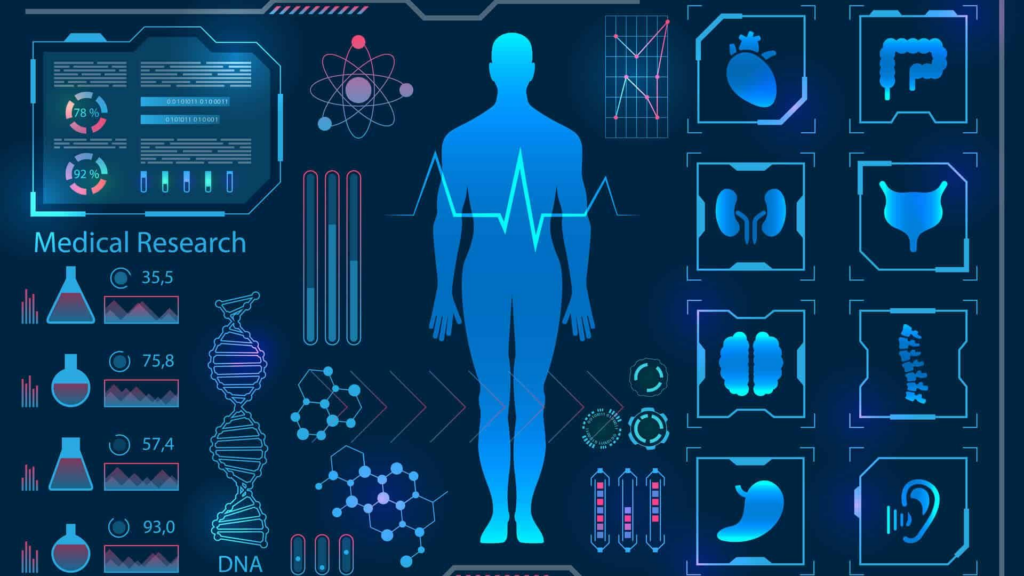
C. Healthcare and Precision Medicine
Perhaps the most profound application of digital twins is in the human body.
- Personalized Treatment: Surgeons can create a digital twin of a patient’s specific organ to practice a complex procedure before entering the operating room.
- Drug Development: Virtual “patients” can be used to test the efficacy of new drugs, potentially speeding up the clinical trial process and reducing the need for animal testing.
- Chronic Disease Management: Wearable sensors can feed data into a digital twin of a patient, allowing doctors to monitor conditions like diabetes or heart disease in real-time and intervene before a crisis occurs.
D. Aerospace and Automotive
Aerospace was an early adopter of this technology (NASA used basic digital twin concepts during the Apollo 13 mission).
- Jet Engine Monitoring: Modern jet engines are equipped with thousands of sensors that feed into digital twins, allowing for real-time monitoring of engine health during flight.
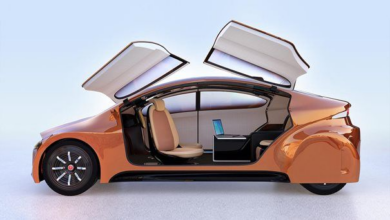
- Autonomous Vehicles: Digital twins are essential for training the AI that powers self-driving cars. These vehicles “drive” millions of miles in virtual environments, encountering rare and dangerous scenarios that would be impossible to replicate safely on real roads.
The Strategic Benefits: Why Businesses are Investing Billions
The global digital twin market is projected to reach over $70 billion by 2030. This massive investment is driven by the tangible ROI (Return on Investment) the technology provides.
A. Drastic Cost Reductions: By identifying inefficiencies and predicting failures before they occur, companies can save millions in repair costs and lost productivity. B. Accelerated Time-to-Market: Virtual testing allows for faster innovation cycles. Products can be refined and “perfected” in the digital world before the first physical unit is ever produced. C. Enhanced Sustainability: Digital twins allow for the optimization of resource use. Whether it’s reducing fuel consumption in a fleet of trucks or lowering the energy footprint of a data center, digital twins are a key tool in the fight against climate change. D. Improved Safety: By simulating dangerous environments and testing “limit cases,” digital twins help ensure the safety of workers and the public. E. Superior Product Performance: Continuous monitoring allows companies to understand how their products are used in the real world, leading to data-driven improvements in subsequent versions.
Navigating the Challenges: The Roadblocks to Mass Adoption
While the potential is vast, the journey to mastering digital twins is fraught with technical and ethical challenges.
- A. Data Security and Privacy: Digital twins require the collection and transmission of vast amounts of sensitive data. In the context of “Digital Twins of People,” the privacy implications are enormous. Ensuring this data is protected from cyberattacks is a top priority.
- B. Interoperability and Standards: For a digital twin to be effective, it must often pull data from multiple different systems and vendors. The lack of universal standards for data formats and communication protocols remains a significant hurdle.
- C. High Initial Investment: Building a sophisticated digital twin requires significant upfront capital for sensors, software, and skilled talent (data scientists, AI experts). For many small and medium-sized enterprises, the cost of entry remains high.
- D. The “Data Silo” Problem: Many organizations struggle with fragmented data stored in isolated departments. A digital twin requires a holistic, unified view of data, which often requires a major overhaul of corporate culture and IT infrastructure.
- E. Computational Power: Running real-time, high-fidelity simulations of complex systems (like a weather system or a human brain) requires immense computational power and energy, raising questions about the environmental footprint of the technology itself.
The Future: Towards the “Internet of Twins”
As AI becomes more sophisticated and 5G/6G networks provide the necessary bandwidth, we are moving toward an interconnected “Internet of Twins.” In this future, digital twins will not exist in isolation. The digital twin of a car will communicate with the digital twin of the road it’s driving on, which in turn communicates with the digital twin of the city’s power grid.
We are also seeing the emergence of the Cognitive Digital Twin. These twins will not just react to data; they will have a degree of “agency.” They will be able to learn from their own experiences, set their own goals, and collaborate with other twins to solve complex problems autonomously.
Conclusion: Embracing the Digital Mirror
Digital twin technology represents a fundamental shift in how we interact with the physical world. It is a move from reactive management to proactive mastery. By creating a living, breathing mirror of our world, we gain the ability to innovate faster, operate more sustainably, and solve some of the most complex challenges facing humanity.
For businesses, the choice is becoming clear: embrace digital twins or risk being left behind in an increasingly optimized and data-driven marketplace. For society, the challenge will be to harness this power responsibly, ensuring that as we mirror our world, we do so in a way that is secure, equitable, and beneficial for all. The digital twin is no longer a futuristic concept; it is the blueprint for the next century of human progress.