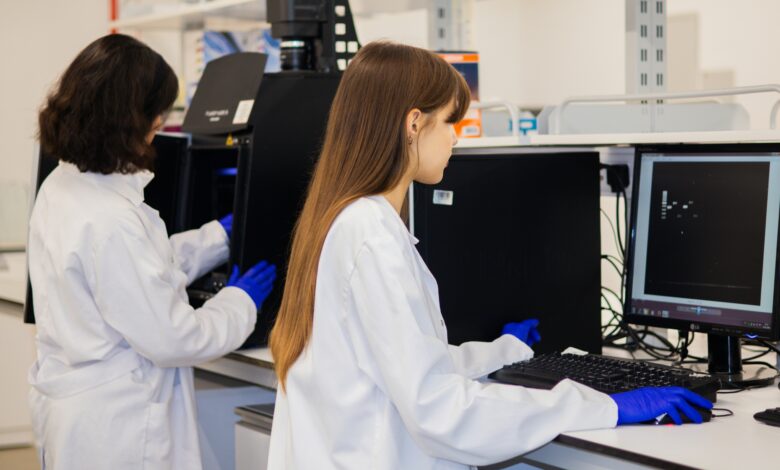
The landscape of modern medicine is currently undergoing a radical transformation driven by the rapid evolution of genomic engineering tools. For decades, the medical community could only manage the symptoms of chronic genetic disorders, but the arrival of CRISPR technology has shifted the focus toward definitive cures. CRISPR-Cas9, often likened to a pair of molecular scissors, allows scientists to locate and modify specific strands of DNA with unprecedented surgical precision. This breakthrough has transitioned at a lightning pace from laboratory experiments to real-world clinical applications, offering a second chance at life for millions. Diseases once considered incurable, such as sickle cell anemia and various forms of hereditary blindness, are now being addressed at their foundational molecular level.
As our mapping of the human genome becomes more sophisticated, the potential to permanently eradicate hereditary illnesses is moving from the realm of theory into reality. However, this immense power brings significant ethical weight, as the ability to rewrite the code of life challenges our traditional understanding of biology and evolution. This article provides an exhaustive exploration of the mechanical innovations, clinical milestones, and the future regulatory landscape of gene-based therapeutics. We will examine how these microscopic interventions are reshaping the pharmaceutical industry and the very definition of personalized healthcare in the modern age.
The Fundamental Mechanics of CRISPR-Cas9

To fully grasp the magnitude of this innovation, one must understand how the system operates at the cellular level. CRISPR stands for “Clustered Regularly Interspaced Short Palindromic Repeats,” a sequence originally found in the immune systems of bacteria.
Scientists have repurposed this natural defense mechanism into a programmable tool capable of identifying any specific sequence of DNA within a living cell. By guiding a specialized enzyme to a precise target, researchers can effectively delete harmful genes or insert functional ones.
A. The Role of Guide RNA (gRNA)
The guide RNA serves as the specialized navigation system of the CRISPR complex, designed to match a specific 20-letter sequence of DNA. Once the gRNA identifies its mirror sequence in the genome, it directs the Cas9 enzyme to the exact location requiring modification. This precision is the primary reason why CRISPR has outpaced all previous gene-editing technologies in terms of efficiency.
B. The Cas9 Protein as Molecular Scissors
Cas9 is the specialized protein responsible for executing the physical cut across the DNA double helix. Once the enzyme breaks the DNA strand, the cell’s internal repair mechanisms are triggered to mend the gap. Researchers can “hijack” this repair process to either disable a rogue gene or weave in a new, healthy strand of genetic information.
C. PAM Sequences and Target Recognition
The Protospacer Adjacent Motif (PAM) is a short, specific DNA sequence that must follow the target site for the enzyme to bind. It serves as a critical safety check to ensure that the Cas9 enzyme does not accidentally target the host’s own bacterial DNA. Understanding and manipulating PAM requirements is essential for expanding the range of diseases that CRISPR can safely treat.
Clinical Progress in Hematological Disorders
The most visible and successful early applications of CRISPR therapy have occurred within the field of hematology. Because blood cells can be extracted, edited in a controlled laboratory environment, and then re-infused, they represent an ideal target for genomic medicine.
Recent trials have produced groundbreaking results for patients with Sickle Cell Disease and Beta-Thalassemia, who previously faced lives of chronic pain and constant transfusions. Many of these patients are now living entirely symptom-free, marking a historic milestone in curative medicine.
A. Targeting BCL11A for Sickle Cell Treatment
Engineers use CRISPR to deactivate a specific gene known as BCL11A, which normally stops the production of fetal hemoglobin after birth. By “flipping the switch” back to the fetal version of hemoglobin, the body can produce healthy red blood cells that do not collapse into the “sickle” shape. This technique effectively uses a patient’s own dormant biological blueprints to override a devastating genetic mutation.
B. Ex Vivo vs. In Vivo Editing Techniques
Ex vivo editing involves removing cells from the body to perform the genetic modification in a sterile, monitored lab setting before re-introduction. In contrast, in vivo editing involves injecting the CRISPR components directly into the patient’s body to find and fix cells in their natural environment. While ex vivo is currently the standard for blood work, in vivo techniques are being developed to treat organs like the liver and the brain.
C. Assessing the Long-Term Durability of Cures
A central question for regulators is whether the genetic changes made by CRISPR will remain stable for the rest of a patient’s life. So far, the data is highly encouraging, with early trial participants maintaining healthy blood levels for several years without any signs of regression. This suggests that a single CRISPR intervention could replace a lifetime of expensive and invasive medical treatments.
Breakthroughs in Restoring Sensory Function
The application of CRISPR to the human eye has opened a new frontier in the treatment of hereditary blindness, particularly for conditions like Leber Congenital Amaurosis (LCA). The eye is an “immune-privileged” site, meaning the body’s immune system is less likely to attack the CRISPR components introduced there.
This unique environment allows for high-precision edits that can restore the function of light-sensing cells in the retina. For individuals who have spent their lives in darkness, this technology is quite literally a miracle of modern science.
A. Direct Repair of the CEP290 Mutation
LCA is frequently caused by a specific error in the CEP290 gene that disrupts the structural integrity of photoreceptor cells. CRISPR is deployed to remove the defective segment of the gene, allowing the cell to produce the proteins necessary for vision. This represents one of the first successful attempts at performing “in-body” gene surgery on a sensory organ.
B. Advanced Delivery Systems: Viral Vectors
To ensure the CRISPR machinery reaches the correct cells in the retina, scientists use modified viruses called Adeno-Associated Viruses (AAV) as transport vehicles. These viruses are stripped of their ability to cause disease and instead act as precision delivery drones for the genetic payload. These delivery systems are becoming more sophisticated, reducing the risk of inflammation or off-target effects.
C. The Evolution of Sensory Restoration
The success seen in ophthalmology is now being used as a blueprint for treating other sensory deficits, such as genetic forms of deafness. By targeting the hair cells in the inner ear, researchers hope to use CRISPR to restore hearing in infants born with specific mutations. This reflects the “platform” nature of CRISPR, where the same basic tool can be adapted for vastly different biological challenges.
CRISPR in Oncology: Engineering the Immune System
In the fight against cancer, CRISPR is being used to create “designer” immune cells that are far more effective at hunting and killing tumors than anything found in nature. This approach, which merges gene editing with immunotherapy, is currently one of the most well-funded and active areas of biotechnology research.
By editing the DNA of T-cells, scientists can remove the “cloaking” mechanisms that cancer cells use to hide from the immune system. This allows for a more aggressive and targeted attack on even the most stubborn solid tumors.
A. Disrupting the PD-1 Immune Checkpoint
Cancer cells often survive by tricking T-cells into “turning off” via a protein called PD-1. CRISPR is used to permanently delete the PD-1 gene from the T-cells, ensuring they remain in an “active” state regardless of the cancer’s signals. This creates a relentless army of immune cells that continue to fight until the malignancy is eradicated.
B. The Development of “Universal” CAR-T Cells
Traditional CAR-T therapy requires a custom-made batch of cells for every individual patient, which is both slow and prohibitively expensive. CRISPR is enabling the development of “off-the-shelf” T-cells from healthy donors that can be safely used by anyone without being rejected. This shift would allow hospitals to stock cancer cures just like they stock standard medications.
C. Expanding Beyond Liquid Cancers
While gene-edited cells have been successful against blood cancers, solid tumors in the lungs or liver present a much tougher barrier. Researchers are now using CRISPR to engineer cells that can navigate the “hostile” microenvironment of a solid tumor, including low oxygen and high acidity. Overcoming this hurdle would mark a total victory for gene editing in the oncology space.
Base Editing and the Pencil of Life
The next generation of CRISPR technology is moving away from “cutting” DNA and toward “writing” it through a process known as Base Editing. While the original Cas9 system is effective, it can sometimes create unintended damage when the DNA strands are physically severed. Base editors allow for the chemical conversion of one DNA base pair into another without breaking the backbone of the molecule. This provides a much cleaner and safer way to fix the “point mutations” that cause a majority of human genetic diseases.
A. The Search-and-Replace Capabilities of Base Editors
Base editing is particularly useful for diseases caused by a single-letter error in the genetic code, such as Progeria or certain types of heart disease. It acts like a word processor, allowing scientists to find a “C” and turn it into a “T” with absolute precision. This method drastically reduces the risk of “off-target” mutations that could lead to secondary health problems.
B. Prime Editing: The Ultimate Genomic Tool
Prime editing is a further refinement of the CRISPR system that offers even more flexibility, allowing for insertions, deletions, and all types of base-to-base conversions. It has been described as the “Swiss Army Knife” of gene editing because it can address almost any type of genetic error. This technology is currently moving through preclinical stages and is expected to expand the reach of gene therapy significantly.
C. Reducing the Risk of Chromosomal Rearrangements
Because next-generation tools do not create double-stranded breaks, they avoid the risk of chromosomes becoming scrambled during the repair process. This is a major safety improvement that makes the technology much more attractive to conservative regulatory agencies like the FDA. The transition to “no-cut” editing is the biggest technical shift in the industry today.
Tackling Rare and Orphan Diseases
There are thousands of rare diseases that affect only small populations, making them unprofitable for traditional drug companies to investigate. CRISPR provides a modular and affordable way to design treatments for these “orphan” conditions because the delivery system remains the same; only the guide RNA needs to change. This is ushering in a new era of “n-of-1” medicine, where a treatment can be designed for a single individual with a unique mutation.
A. Duchenne Muscular Dystrophy (DMD) Interventions
DMD is a fatal muscle-wasting disease that primarily affects young boys, caused by a lack of a protein called dystrophin. CRISPR is being used to “skip” the mutated exons in the gene, allowing the body to produce a functional version of the protein once again. This could potentially transform a fatal diagnosis into a manageable chronic condition.
B. Cystic Fibrosis and Airway Editing
Researchers are exploring inhaled CRISPR therapies that can fix the CFTR gene directly in the lung cells of cystic fibrosis patients. By correcting the salt and water balance at the cellular level, the thick mucus that characterizes the disease can be prevented from forming. This would solve the root cause of the disease rather than just treating the resulting infections.
C. The Economics of Rare Disease Cures
The challenge for rare disease therapy is not the science, but the price tag, which can often reach millions of dollars per dose. The industry is currently debating new payment models and government subsidies to ensure that these life-saving breakthroughs are accessible to everyone. The goal is to make gene editing as common and affordable as a standard vaccination.
The Ethics of Germline and Embryo Editing
The most contentious debate in biotechnology surrounds the use of CRISPR on human embryos, eggs, and sperm. Unlike somatic editing, which only affects the patient, germline edits are permanent and will be passed down to every future generation. This raises the specter of eugenics and “designer babies,” where parents could choose traits like height, eye color, or intelligence. International bodies are struggling to create a unified policy that allows for the prevention of disease without venturing into human enhancement.
A. The Global Moratorium on Germline Editing
Following a controversial experiment in China, the global scientific community has largely agreed on a temporary ban on CRISPR-edited pregnancies. The consensus is that we do not yet understand the long-term consequences of altering the human gene pool. This “precautionary principle” is essential for maintaining public trust and ensuring the technology is developed responsibly.
B. Defining the Line Between Therapy and Enhancement
Where does “curing a disease” end and “enhancing a human” begin? This is a philosophical and legal question that has no easy answer. Most ethicists argue that CRISPR should be restricted to preventing severe, life-threatening conditions rather than improving normal human traits.
C. The Rights of Future Generations
A central ethical concern is that the people who will be most affected by germline edits—the future children—cannot give their consent. If a genetic change goes wrong, that error could persist in the human population for centuries. This “intergenerational responsibility” is the primary reason why germline editing is treated with such extreme caution.
Safety, Accuracy, and Off-Target Effects
For CRISPR to become a mainstream medical tool, its safety must be beyond reproach. The biggest technical fear is “off-target” editing, where the tool accidentally cuts a gene that it wasn’t supposed to touch. If a cut happens in a gene that prevents cancer, the treatment could inadvertently cause a tumor to grow. Scientists are using massive computational power and artificial intelligence to minimize these risks.
A. AI-Driven Prediction and Design
Advanced machine-learning algorithms can now scan the 3 billion letters of the human genome to predict where off-target cuts are most likely to occur. This allows researchers to choose “guide” sequences that have zero chance of hitting a dangerous non-target area. This digital pre-screening is now a standard part of every gene-therapy development pipeline.
B. High-Fidelity Cas Enzymes
By subtly changing the structure of the Cas9 enzyme, scientists have created “high-fidelity” versions that are much more precise. These modified proteins will only execute a cut if there is a perfect, 100% match with the guide RNA. These improvements have reduced off-target events to nearly undetectable levels in recent clinical studies.
C. Monitoring Cellular Health Post-Edit
Patients in CRISPR trials undergo rigorous long-term monitoring to ensure their cells are behaving normally after the genetic modification. Specialized “deep sequencing” technology is used to look for any rare mutations or structural changes in the DNA over time. This data is essential for convincing regulators that the technology is ready for widespread use.
The Future of Global Regulatory Frameworks
As CRISPR moves closer to the general market, organizations like the FDA and EMA are creating entirely new categories for “living drugs.” Traditional drug approval processes aren’t designed for a treatment that stays in your body for the rest of your life. Regulators must find a way to encourage innovation while protecting the public from unforeseen long-term risks.
A. Fast-Track Approvals for Unmet Needs
The FDA has created specialized “Breakthrough Therapy” designations to speed up the review of CRISPR products for terminal illnesses. This allows companies to move through the trial phases much faster, potentially saving thousands of lives in the process. However, this speed must be balanced with a requirement for even more transparent safety reporting.
B. Standardizing Manufacturing at Scale
One of the biggest hurdles for the industry is moving from “lab-scale” to “factory-scale” production of CRISPR components. Every batch of guide RNA and enzyme must be identical and free of contaminants to ensure patient safety. Large-scale manufacturing facilities are being built to meet the expected demand for these “made-to-order” cures.
C. International Cooperation and Data Sharing
Because the science is moving so fast, countries must work together to share data on safety and efficacy. Global registries of gene-edited patients are being discussed as a way to track the technology’s performance across different populations. This cooperation is the only way to prevent a fragmented and dangerous global market for gene therapy.
Expanding the Bio-Economy: Beyond Human Health
While human medicine gets the most attention, CRISPR is also transforming how we produce food, fuel, and materials. We are seeing the rise of a “Bio-Economy” where we can program yeast to produce medicines or edit crops to survive in a warming climate. These applications show that CRISPR is not just a medical tool, but a fundamental technology for a sustainable future.
A. Climate-Resilient Agriculture
CRISPR is being used to develop varieties of rice, wheat, and corn that can grow in drought conditions or with less fertilizer. This is essential for maintaining global food security as the human population continues to grow and traditional farming becomes more difficult. Unlike old GMOs, these “gene-edited” crops contain no foreign DNA, making them more acceptable to consumers.
B. Sustainable Biofuels and Carbon Capture
Scientists are editing algae and bacteria to produce high-energy fuels that could eventually replace petroleum. There are also projects aimed at editing trees to absorb more carbon dioxide from the atmosphere more quickly. These environmental applications prove that biotechnology is a key ally in the fight against climate change.
C. The Future of De-Extinction and Biodiversity
Some of the most ambitious projects involve using CRISPR to “bring back” extinct species or protect endangered ones from disease. While bringing back the woolly mammoth is still far in the future, the technology could be used today to help coral reefs survive rising ocean temperatures. This highlights the incredible potential for humans to act as proactive stewards of the planet’s biodiversity.
Conclusion

The breakthroughs in CRISPR technology mark the beginning of a new epoch in human biological history. We are shifting from a species that is subject to genetic fate to one that can actively participate in its own evolution. The ability to cure once-fatal blood and sensory disorders is a testament to the power of precise genomic engineering. Safety remains the highest priority, and new “no-cut” editing tools are making the process safer every day. The fight against cancer has found a powerful new ally in the form of gene-edited immune soldiers.
Ethical questions regarding the human germline will require ongoing global dialogue and strict regulation. The pharmaceutical industry is being forced to adapt to a world where a single treatment can replace a lifetime of pills. Rare diseases that were once ignored are now at the center of a personalized medicine revolution. The integration of artificial intelligence is making gene editing more accurate and predictable than ever before. Manufacturing these complex biological tools at scale is the next great industrial challenge for biotechnology.
Public trust is a fragile but essential component for the long-term success of genomic therapies. The applications of CRISPR in agriculture and energy are just as important as its medical uses for the planet’s future. We must remain vigilant about the potential for misuse while embracing the life-saving potential of the technology. The cost of these cures must be addressed to prevent a permanent “genetic divide” between the rich and poor. Every success in a clinical trial brings us one step closer to a world without hereditary disease. The story of CRISPR is still being written, and the most exciting chapters are yet to come.