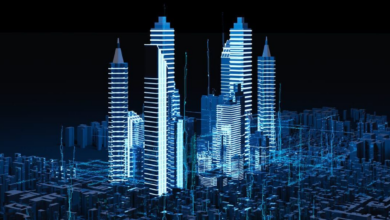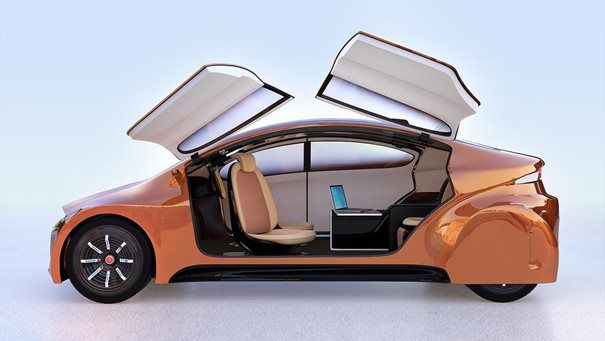
The concept of vehicles moving without human intervention was once the exclusive domain of science fiction, relegated to the pages of Isaac Asimov novels or the futuristic imagery of The Jetsons. However, we are currently standing at the precipice of a mobility revolution. Autonomous technology—powered by artificial intelligence, sophisticated sensor arrays, and high-speed connectivity—is no longer a distant dream. It is a rapidly maturing reality that promises to dismantle our century-old reliance on human-operated transit.
Reimagining transportation through the lens of autonomy is not merely about replacing a driver with a computer; it is about a total systemic overhaul. This shift targets the most pressing issues of our modern era: the staggering toll of traffic fatalities, the economic paralysis caused by urban congestion, and the environmental degradation driven by inefficient combustion-engine logistics. As we move from Level 1 assistance to Level 5 full automation, every facet of society—from urban planning and insurance to the very concept of car ownership—will undergo a profound transformation.
This comprehensive analysis serves as a masterclass in the current state and future trajectory of autonomous technology. We will explore the complex engineering that allows machines to “see,” the socioeconomic impacts of a driverless world, the regulatory hurdles that remain, and the ethical dilemmas that keep developers awake at night. This is the blueprint for the future of movement.
The Spectrum of Autonomy: Understanding the SAE Levels
To discuss autonomous technology accurately, we must first establish a common language. The Society of Automotive Engineers (SAE) provides the global standard for defining the six levels of driving automation. Understanding these distinctions is crucial for managing public expectations and regulatory frameworks.
A. Level 0 (No Automation): The human driver performs all tasks. Even if the car provides warnings (like blind-spot alerts), it does not take control of the vehicle. B. Level 1 (Driver Assistance): The vehicle features a single automated system, such as adaptive cruise control or lane-keeping assistance. The driver remains fully engaged and responsible. C. Level 2 (Partial Automation): The vehicle can control both steering and acceleration/deceleration simultaneously. However, the driver must maintain constant supervision and be ready to intervene at any microsecond. Systems like Tesla’s “Autopilot” currently sit within this bracket. D. Level 3 (Conditional Automation): This is the “eyes-off” threshold. The vehicle can manage all aspects of driving under specific conditions (like highway cruising). The driver is not required to monitor the environment but must be available to take over within a specified time limit if prompted. E. Level 4 (High Automation): The vehicle can operate entirely without human intervention within a defined “geofence” or under specific weather conditions. If a problem occurs, the car is designed to reach a “minimal risk condition” (like pulling over) without human help. F. Level 5 (Full Automation): The ultimate goal. A Level 5 vehicle can drive anywhere a human can, in any condition, without a steering wheel, pedals, or a human occupant.
The Technology Stack: How Machines “See” and “Think”
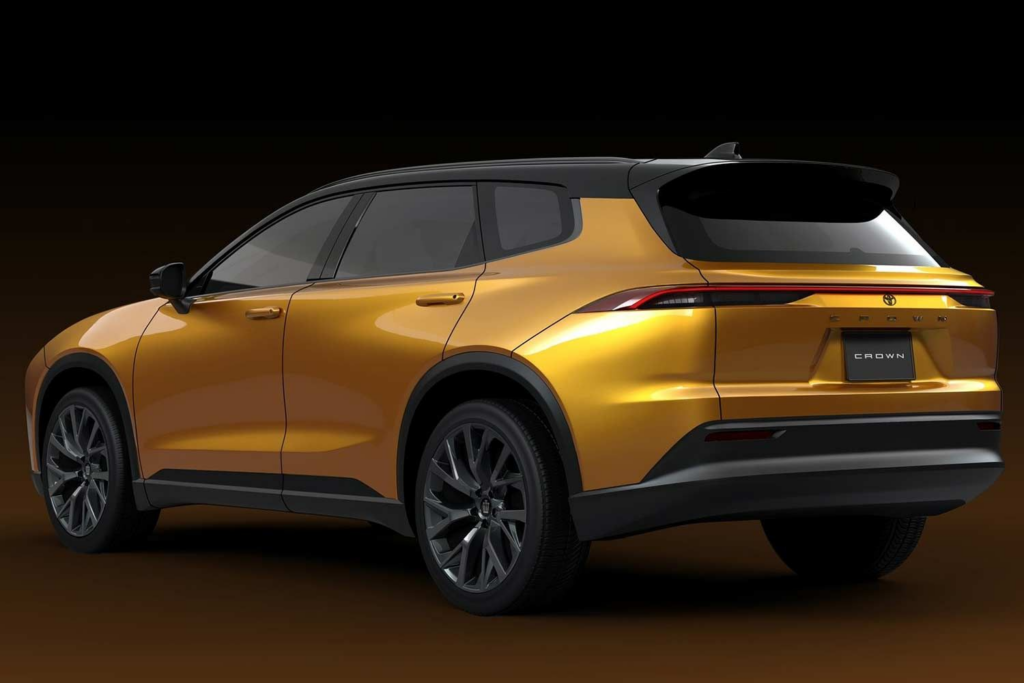
How does a car navigate a chaotic city intersection? The answer lies in a sophisticated “Tech Stack” that combines hardware sensors with massive computational power.
A. LiDAR (Light Detection and Ranging): Often described as the “eyes” of the vehicle, LiDAR pulses laser beams thousands of times per second to create a 3D “point cloud” of the environment. This allows the car to know exactly how far away a pedestrian or a fire hydrant is with centimeter-level precision. B. Radar and Ultrasonic Sensors: While LiDAR is precise, it can struggle in heavy rain or fog. Radar uses radio waves to detect the speed and distance of objects, cutting through poor weather conditions. Ultrasonic sensors handle close-range detection, essential for parking and lane changes. C. High-Resolution Cameras: These are used for object recognition. Computer vision algorithms analyze camera feeds to identify traffic lights, read speed limit signs, and distinguish between a plastic bag blowing in the wind and a small dog running into the street. D. The “Brain” (Inference Engine): All this sensor data is fed into a powerful onboard computer. Using Deep Learning and Neural Networks, the “brain” makes split-second decisions: Should I brake? Should I swerve? Is that cyclist about to turn left? E. V2X (Vehicle-to-Everything) Communication: True autonomy relies on connectivity. V2X allows cars to talk to each other (V2V) and to infrastructure like smart traffic lights (V2I). Imagine a world where a car blocks an intersection, and every approaching vehicle knows to slow down miles before they even see the obstruction.
Socioeconomic Impact: The End of Ownership?
The most radical change brought by autonomous tech isn’t technical—it’s economic. We are moving toward a model known as TaaS (Transportation as a Service).
A. The Decline of Private Car Ownership: Currently, the average private vehicle sits idle for 95% of its life. It is a depreciating asset that requires insurance, maintenance, and parking. In an autonomous future, you won’t own a car; you will subscribe to a fleet. A pod will arrive at your door when needed and disappear to serve the next customer once you arrive at your destination. B. Urban Re-Planning: If cars no longer need to park, what happens to the massive parking garages and street-side spots that consume up to 30% of urban land? Cities can be “reclaimed” for green spaces, affordable housing, and pedestrian walkways. C. Increased Accessibility: For the elderly, the visually impaired, and people with disabilities, autonomous vehicles (AVs) offer a new lease on life. Mobility becomes a right, not a privilege reserved for those who can physically drive. D. Logistics and the “Middle Mile”: The trucking industry will be the first to be fully disrupted. Autonomous semi-trucks can operate 24/7 without fatigue, drastically lowering the cost of goods and stabilizing supply chains.
Safety, Ethics, and the “Trolley Problem”
While the potential benefits are vast, the path to full autonomy is fraught with ethical and safety concerns.
A. The Safety Paradox: Autonomous vehicles are projected to be significantly safer than human drivers, who are prone to distraction, intoxication, and fatigue. However, while society tolerates 40,000 traffic deaths a year caused by humans, it may have zero tolerance for a single death caused by a “glitch” in an algorithm. B. The Trolley Problem: This is a classic ethical dilemma: If a crash is unavoidable, should the AI prioritize the lives of the passengers or the lives of pedestrians? Programming a “moral compass” into a machine is one of the most debated topics in AI ethics. C. Cybersecurity: A car that is “connected” is a car that can be “hacked.” Ensuring that autonomous fleets are immune to cyber-terrorism is a prerequisite for public trust.
Regulatory and Legal Hurdles
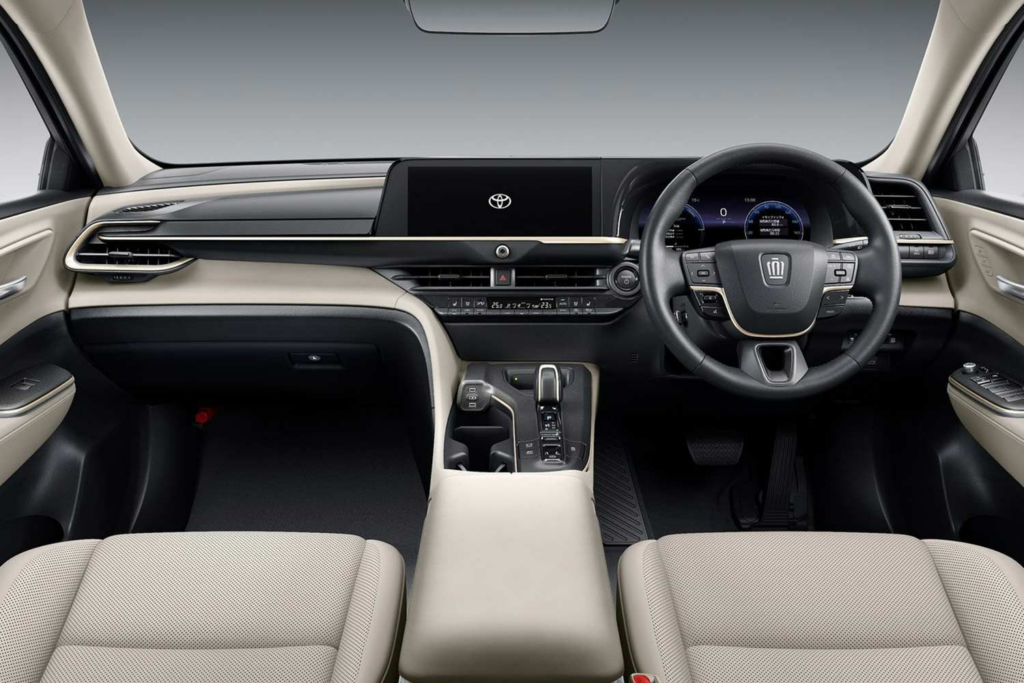
The technology is often moving faster than the law. Several key areas require urgent legislative attention:
A. Liability and Insurance: If a driverless car crashes, who is at fault? The software developer? The sensor manufacturer? The fleet operator? The insurance industry must pivot from individual driver policies to product liability models. B. Data Privacy: AVs collect massive amounts of data about their surroundings and their passengers. Clear laws are needed to govern who owns this data and how it can be used for marketing or surveillance. C. Standardization Across Borders: For autonomous trucking to work, a vehicle must be able to cross state or national lines without encountering conflicting regulations regarding its autonomous “pilot.”
Navigating the Road Ahead
Reimagining transportation with autonomous technology is an iterative journey, not a singular event. We are currently in the “plateau of productivity” for Level 2 and Level 3 systems, with Level 4 robotaxis already operating in controlled environments like Phoenix and San Francisco.
The transition will be messy. We will face a decades-long “hybrid period” where autonomous cars must share the road with unpredictable human drivers. There will be setbacks, high-profile accidents, and intense public skepticism. However, the momentum is irreversible. The convergence of electric propulsion and autonomous intelligence is creating a cleaner, safer, and more efficient world.
For investors, urban planners, and the general public, the message is clear: the steering wheel is becoming an optional accessory. The future of movement is automated, and it is closer than you think.