
The industrial landscape is standing on the precipice of a radical transformation. For over two centuries, heavy industry—the colossal sectors of steel, cement, chemicals, and mining—has served as the rigid backbone of the global economy. It has built our cities, fueled our transportation, and manufactured the essential goods of modern life. Yet, this progress has come at a staggering environmental cost. These “hard-to-abate” sectors are currently responsible for nearly 30% of global greenhouse gas emissions. Today, under the twin pressures of stringent climate regulations and a massive influx of green capital, a historic shift is occurring. We are witnessing the birth of the Green Industrial Revolution.
This transition is not merely about incremental efficiency gains; it is a fundamental decoupling of industrial output from carbon emissions. It represents a total reimagining of how we produce the raw materials of civilization. From the adoption of green hydrogen in blast furnaces to the deployment of carbon capture at cement kilns, the technological frontier of heavy industry is moving at a lightning-fast pace. For investors, policymakers, and industry leaders, understanding this revolution is no longer optional—it is a prerequisite for navigating the next decade of global economic growth.
In this comprehensive analysis, we will explore the drivers of this green shift, the breakthrough technologies currently entering the market, and the immense financial opportunities presented by the decarbonization of the world’s most energy-intensive businesses. This is the blueprint for the net-zero industrial future.
The Decarbonization Mandate: Drivers of Change
The shift toward green heavy industry is being propelled by a powerful convergence of three primary forces: policy, technology, and finance.
A. The Surge of Carbon Pricing and Regulation: Governments worldwide are no longer asking for voluntary reductions; they are mandating them. The European Union’s Carbon Border Adjustment Mechanism (CBAM) is a prime example, effectively placing a carbon price on imports of steel, cement, and electricity. This creates a powerful economic incentive for global manufacturers to clean up their operations to maintain access to lucrative markets.
B. The Falling Cost of Renewable Energy: The economic viability of green industry depends heavily on the cost of electricity. With the price of solar and wind power plummeting—down over 80% in the last decade—it is becoming increasingly cost-competitive to power industrial processes with clean energy rather than fossil fuels.
C. The Institutional Capital Pivot: Environmental, Social, and Governance (ESG) criteria have moved into the mainstream of high finance. Major institutional investors, from BlackRock to state pension funds, are increasingly divesting from high-carbon industries and funneling billions into “green steel” and “low-carbon cement” ventures. Access to low-cost capital is now inextricably linked to a company’s decarbonization roadmap.
Steel: From Coal to Green Hydrogen
Steel production is one of the most carbon-intensive processes on Earth, largely due to its reliance on coking coal in blast furnaces to remove oxygen from iron ore. The green revolution in steel is focused on replacing carbon with hydrogen.
A. Hydrogen Direct Reduced Iron (H-DRI): The gold standard of green steel is the H-DRI process. By using green hydrogen (produced via electrolysis using renewable energy) instead of coal-derived gases, the only byproduct of the chemical reaction is water vapor ($H_2O$) instead of carbon dioxide ($CO_2$). Several pilot plants in Scandinavia and Germany are already proving that high-quality steel can be produced with nearly zero emissions.
B. Electric Arc Furnaces (EAF) and Scrap Recycling: The transition also involves a shift toward EAF technology, which uses electricity to melt scrap steel. When powered by 100% renewable energy, this process drastically reduces the carbon footprint compared to traditional primary steelmaking.
C. Electrolysis of Iron Ore: Emerging technologies, such as molten oxide electrolysis, aim to eliminate the need for hydrogen altogether by using electricity to separate iron from ore directly. While still in the early stages of commercialization, this represents the “Holy Grail” of carbon-free primary steel.
Cement: Solving the Process Emissions Puzzle
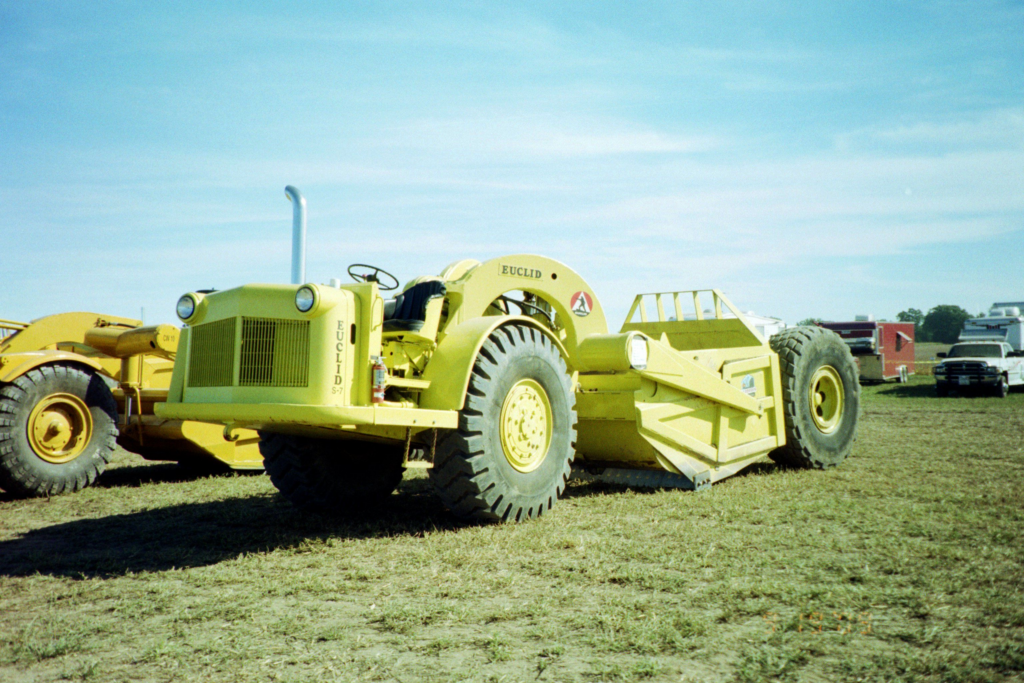
Cement is the most consumed man-made material on the planet. Its carbon problem is unique: about 60% of its emissions are “process emissions” caused by the chemical reaction that occurs when limestone is heated to create clinker, releasing $CO_2$ as a byproduct.
A. Carbon Capture, Utilization, and Storage (CCUS): Because $CO_2$ is an inherent part of the chemistry, CCUS is essential for the cement industry. New facilities are being designed to capture $CO_2$ directly from the kiln’s flue gas. This captured carbon can then be stored underground in geological formations or “utilized” to create synthetic fuels or even new building materials.
B. Alternative Binders and Clinker Substitution: Researchers are developing alternative cements that use industrial byproducts like fly ash or ground granulated blast-furnace slag to replace a portion of the carbon-heavy clinker. This not only reduces emissions but also promotes a circular economy.
C. Thermal Electrification: Traditional cement kilns operate at temperatures exceeding 1450°C, typically achieved by burning coal or petcoke. Transitioning to plasma torches or concentrated solar thermal energy to reach these temperatures could eliminate the emissions associated with heat production.
Chemicals: Building a Circular Molecular Economy
The chemical industry is the largest industrial energy consumer. It relies on fossil fuels not just for energy, but as a “feedstock” (raw material) for plastics, fertilizers, and pharmaceuticals.
A. Green Ammonia for Agriculture: Ammonia is essential for global food security, yet its production via the Haber-Bosch process is highly carbon-intensive. By using green hydrogen as the feedstock, the industry can produce “Green Ammonia,” creating a carbon-neutral pathway for global fertilizer production.
B. Bio-based Feedstocks: The transition involves moving away from petroleum-based naphtha toward bio-based feedstocks derived from sustainable biomass or waste oils. This allows for the production of “drop-in” chemicals that are chemically identical to their fossil-based counterparts but with a significantly lower carbon footprint.
C. Advanced Plastics Recycling: Chemical recycling (or pyrolysis) breaks down waste plastics back into their original molecular building blocks. This enables a closed-loop system where plastic waste becomes the feedstock for new high-quality plastics, reducing the need for virgin fossil fuel inputs.
The Role of the Smart Grid and Energy Storage

Heavy industry requires a constant, high-volume supply of energy—something that variable wind and solar power cannot always provide alone. The green revolution, therefore, depends on the evolution of industrial energy management.
A. Long-Duration Energy Storage (LDES): Technologies such as thermal energy storage (using molten salts or crushed rocks) and iron-air batteries are being developed to store renewable energy for days or even weeks. This ensures that a green steel mill can continue operating even when the sun isn’t shining or the wind isn’t blowing.
B. Demand-Side Response: Modern industrial plants are becoming “active participants” in the power grid. Through smart software, they can ramp their energy-intensive processes up or down based on the availability and price of renewable energy, helping to stabilize the grid while reducing their own operational costs.
C. Microgrids and On-site Generation: Many industrial giants are bypassing the traditional utility model altogether, building their own massive solar and wind farms directly adjacent to their manufacturing sites to guarantee a dedicated, low-cost supply of green power.
The Economic Opportunity: The Trillion-Dollar Market
The decarbonization of heavy industry is not just a cost—it is one of the greatest wealth-creation opportunities of the 21st century.
- Premium for Green Materials: We are seeing the emergence of a “green premium,” where automotive companies and consumer electronics brands are willing to pay more for certified low-carbon steel and aluminum to meet their own sustainability goals.
- New Infrastructure Development: Building the hydrogen pipelines, CCUS networks, and massive renewable energy arrays required for this transition will necessitate trillions of dollars in infrastructure investment over the next three decades.
- Technological Leadership: The countries and companies that lead in developing and patenting these green technologies will export them globally, securing a dominant position in the new industrial world order.
Challenges and Strategic Roadblocks
Despite the momentum, the path is fraught with significant hurdles that must be addressed to achieve full-scale transformation.
A. The Infrastructure Gap: Converting a single large steel mill to hydrogen requires a staggering amount of renewable energy and hydrogen infrastructure that currently does not exist at scale.
B. Capital Intensity: Industrial assets have long lifespans, often 30 to 50 years. Replacing existing “young” coal-fired assets before the end of their economic life creates “stranded assets,” which is a major financial risk for many companies.
C. Global Policy Harmonization: Without a global carbon price or equivalent regulations, companies in “green-forward” jurisdictions may face a competitive disadvantage against producers in regions with lax environmental standards.
The Inevitable Industrial Evolution
The green revolution in heavy industry is no longer a niche environmentalist dream; it is a fundamental economic shift. The “hard-to-abate” label is being peeled off as technological innovation proves that net-zero steel, cement, and chemicals are technically feasible and increasingly economically viable.
The companies that thrive in this new era will be those that embrace radical transparency, invest deeply in breakthrough R&D, and pivot their business models toward circularity and carbon efficiency. For the global economy, this transition promises a future where the heavy lifting of civilization no longer weighs down the planet. We are moving toward an industrial age that is not just productive and profitable, but sustainable by design. The race to green industry is on, and the winners are currently being decided on the factory floors of today.