The human race stands at a precarious crossroads in medical history. While the 20th century was defined by the triumph of antibiotics and basic vaccinations, the 21st century presents a far more complex and daunting set of pathological challenges. We are currently witnessing the convergence of several “silent” medical crises: the rapid rise of antimicrobial resistance, an aging global population prone to neurodegenerative diseases, and the increasing frequency of zoonotic viral outbreaks. However, where there is a crisis, there is innovation. A new generation of biotechnology companies is rising to meet these threats, utilizing tools that were the stuff of science fiction just a decade ago.
The shift in medicine is fundamental. We are moving away from “one-size-fits-all” reactive treatments and toward proactive, molecular-level interventions. These biotech pioneers are no longer just looking to manage symptoms; they are seeking to rewrite the genetic code of disease itself. By leveraging the power of CRISPR gene editing, mRNA technology, synthetic biology, and artificial intelligence-driven drug discovery, these firms are building a shield against the medical catastrophes of tomorrow. For investors and healthcare professionals alike, understanding these technological frontiers is not just a matter of curiosity—it is a glimpse into the survival of our species.
This extensive analysis explores the breakthrough technologies currently being developed to solve the most pressing medical crises. We will examine the molecular mechanisms behind these innovations, the companies leading the charge, and the systemic shifts required to bring these “miracle” cures from the laboratory to the patient’s bedside.
The Silent Plague: Overcoming Antimicrobial Resistance (AMR)
Perhaps the most immediate existential threat to modern medicine is the rise of the “superbug.” Decades of antibiotic overuse in human medicine and agriculture have pressured bacteria to evolve at an alarming rate. We are rapidly approaching a “post-antibiotic era” where minor infections or routine surgeries could once again become fatal.
A. Bacteriophage Therapy: The Viral Assassin: One of the most promising alternatives to traditional antibiotics is phage therapy. Bacteriophages are viruses that exclusively infect and kill bacteria. Unlike broad-spectrum antibiotics that wipe out the entire gut microbiome, phages are highly specific. Biotech firms are now engineering “cocktails” of these viruses to target specific multi-drug-resistant strains like MRSA or Pseudomonas aeruginosa.
B. Synthetic Biology and Peptide Innovation: Traditional antibiotics are often derived from soil fungi, but synthetic biology allows scientists to design entirely new molecules from scratch. New classes of antimicrobial peptides (AMPs) are being developed that disrupt bacterial cell membranes in ways that make it nearly impossible for the bacteria to develop resistance.
C. AI-Driven Antibiotic Discovery: The “discovery void” in antibiotics—where no new classes of antibiotics were found for decades—is being filled by Artificial Intelligence. Deep learning models can now screen billions of chemical compounds in a fraction of the time it would take a human researcher, identifying obscure molecules that can kill pathogens like Acinetobacter baumannii.
The mRNA Revolution: Beyond the COVID-19 Vaccine
The rapid development of COVID-19 vaccines was a “proof of concept” for messenger RNA (mRNA) technology. The implications of this success extend far beyond respiratory viruses. mRNA is essentially a set of instructions that tells our cells how to produce specific proteins, turning the human body into its own internal pharmacy.
A. Personalized Cancer Vaccines: Unlike traditional vaccines that prevent infection, mRNA cancer vaccines are therapeutic. By sequencing a patient’s specific tumor, biotechs can identify unique mutations (neoantigens). They then create a custom mRNA strand that teaches the patient’s immune system to recognize and destroy only the cancer cells, leaving healthy tissue untouched.
B. Universal Flu and HIV Vaccines: The inherent flexibility of mRNA allows for the development of “multivalent” vaccines. Research is currently underway to create a single mRNA shot that covers all major strains of influenza or targets the “hidden” reservoirs of the HIV virus, which has eluded traditional vaccine methods for forty years.
C. Protein Replacement Therapy: For patients with rare genetic disorders who lack a specific enzyme or protein (such as in Cystic Fibrosis or Hemophilia), mRNA can be used to instruct cells to produce the missing component, effectively “patching” a genetic defect without permanently altering the DNA.
CRISPR and Gene Editing: Fixing the Code of Life
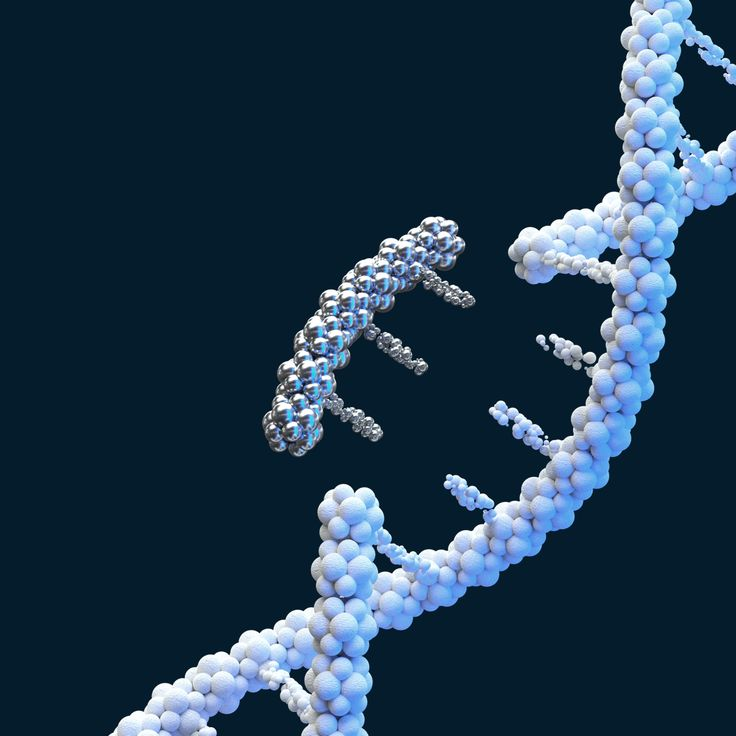
If mRNA is a set of temporary instructions, CRISPR-Cas9 is the “find and replace” tool for the genome. This technology allows for the precise editing of DNA, offering the potential to cure thousands of hereditary diseases that were previously considered death sentences.
A. Curing Sickle Cell Disease and Thalassemia: We have already seen the first clinical successes where CRISPR was used to “turn back on” fetal hemoglobin production in adults, effectively curing blood disorders. This marks the transition from chronic management to a one-time permanent cure.
B. In Vivo Editing for Heart Disease: New biotech ventures are working on “base editing,” a more refined version of CRISPR that can change a single letter of the genetic code. One application currently in trials involves editing a gene in the liver to permanently lower LDL (bad) cholesterol levels, potentially ending the global epidemic of cardiovascular disease.
C. The Ethical Frontier and “Gene Drives”: While the potential is immense, the ability to edit the human germline (eggs and sperm) remains a massive ethical crisis. Biotechs are currently focused on “somatic” editing (only affecting the patient), but the conversation around the future of human evolution is unavoidable.
Neurodegeneration: The Battle for the Aging Mind
As global life expectancy increases, the incidence of Alzheimer’s, Parkinson’s, and ALS is skyrocketing. This represents not only a human tragedy but a looming economic crisis for healthcare systems.
A. Monoclonal Antibodies and Amyloid Clearing: While controversial, the new generation of monoclonal antibodies designed to clear amyloid-beta plaques from the brain represents the first time we have actually slowed the progression of Alzheimer’s rather than just masking symptoms.
B. Gene Therapy for Parkinson’s: Biotechs are exploring ways to use viral vectors to deliver genes directly into the brain’s “substantia nigra” to stimulate the production of dopamine or protect remaining neurons from degradation.
C. The Gut-Brain Axis: Emerging research is showing that many neurodegenerative issues may actually begin in the gut. Biotech startups are developing specialized probiotics and “live biotherapeutics” to alter the gut microbiome and reduce the neuro-inflammation that drives brain disease.
Digital Twins and AI: The End of Animal Testing
The traditional process of drug discovery is slow, expensive, and prone to failure. On average, it takes 10 years and $2.5 billion to bring a drug to market. Modern biotech is using “Digital Twins” and AI to disrupt this “Eroom’s Law” (the observation that drug discovery is becoming slower and more expensive despite technological gains).
A. Organs-on-a-Chip: By lining microchips with human cells, biotechs can simulate the response of a human heart, liver, or lung to a new drug. This provides more accurate data than animal testing and speeds up the transition to human trials.
B. Predictive AI for Clinical Trials: AI can now predict which patients are most likely to respond to a specific drug, allowing for smaller, faster, and more successful clinical trials. This “precision recruitment” reduces the cost of failure and brings life-saving drugs to the market sooner.
C. Virtual Human Models: In the near future, doctors may have a “digital twin” of every patient, allowing them to test different dosages and combinations of medications in a virtual environment before ever prescribing a pill to the actual patient.
Scaling the Solution: The Challenge of Accessibility

The final medical crisis is not biological, but economic: Accessibility. A million-dollar gene therapy is not a “solution” if only the wealthiest 1% can afford it.
A. Decentralized Manufacturing: Many of the new “living medicines” (like CAR-T cell therapy) require complex logistics. Biotechs are developing “factories in a box” that can manufacture these treatments locally at the hospital, significantly reducing costs and transport times.
B. The Shift to Value-Based Pricing: The industry is moving toward “pay-for-performance” models, where the drug manufacturer is only paid if the treatment actually works. This aligns the incentives of the biotech company with the health of the patient.
C. Global Bio-Manufacturing Alliances: To prevent “medical apartheid,” international organizations and biotechs are partnering to build mRNA and vaccine manufacturing hubs in Africa, South America, and Southeast Asia, ensuring the next pandemic response is truly global.
The Dawn of Molecular Sovereignty
The medical crises of tomorrow are formidable, but the biotechnological tools being forged today are even more powerful. We are entering an era of “molecular sovereignty,” where we no longer have to accept the “luck of the draw” regarding our genetic health or the inevitable evolution of pathogens.
By investing in and supporting the biotechs that are solving these crises, we are doing more than just advancing science; we are ensuring the resilience of our civilization. The path from the lab to the pharmacy is fraught with regulatory, ethical, and financial hurdles, but the destination—a world where cancer is a manageable condition, where “superbugs” are kept at bay, and where our minds remain sharp in old age—is finally within our reach.