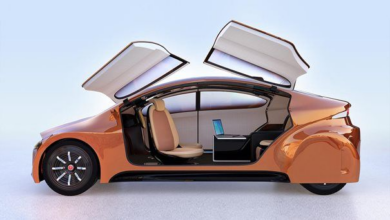
The boundary between futuristic imagination and urban reality is blurring faster than ever. For decades, the concept of a “Smart City” was confined to the pages of cyberpunk novels and the silver screens of Hollywood. We envisioned flying cars, sentient buildings, and perfectly synchronized traffic managed by an omniscient central brain. Today, while we might not have the flying cars just yet, the underlying infrastructure of our urban centers is undergoing a quiet but profound digital revolution. Smart cities are no longer a distant dream; they are a living, breathing network of sensors, data, and human-centric technology designed to solve the most pressing challenges of modern civilization.
As the global population continues to migrate toward urban centers, the traditional models of city management are reaching their breaking point. Traffic congestion, energy inefficiency, waste management crises, and public safety concerns are no longer just inconveniences—they are existential threats to the quality of life. The smart city emerges as the essential solution, leveraging the Internet of Things (IoT), Artificial Intelligence (AI), and Big Data to transform “dumb” infrastructure into “intelligent” ecosystems. This article explores the intricate architecture of smart cities, the technologies driving this change, and how reality is finally catching up with science fiction.
The Architectural Foundation of a Smart City
At its core, a smart city is a multi-layered ecosystem where technology serves humanity. To understand how these cities function, we must look at the foundational layers that allow data to flow from a street sensor to a decision-maker’s dashboard.
A. The Sensing Layer: This is the nervous system of the city. It consists of millions of IoT sensors embedded in everything from streetlights and water pipes to trash cans and pavement. These sensors collect real-time data on air quality, noise levels, moisture, and movement.
B. The Network Layer: Once data is collected, it needs a highway to travel on. High-speed connectivity, particularly 5G and Low-Power Wide-Area Networks (LPWAN), provides the necessary bandwidth and low latency to transmit massive amounts of data across the urban landscape instantaneously.
C. The Data Layer: Raw data is useless without organization. This layer involves cloud computing and centralized data hubs where information is cleaned, stored, and prepared for analysis.
D. The Intelligence Layer: This is where the magic happens. AI algorithms and machine learning models analyze the data to find patterns. For example, AI can predict a water pipe burst before it happens by analyzing vibration patterns, or optimize traffic lights based on real-time vehicle flow.
E. The Service Layer: This is the interface where the city interacts with its citizens. It includes mobile apps for public transit, digital kiosks for city services, and automated emergency response systems.
Transforming Urban Mobility: Beyond Traffic Jams
One of the most visible applications of smart city technology is in the realm of transportation. For most urban dwellers, the daily commute is a source of immense stress. Smart cities aim to reclaim that lost time through intelligent mobility solutions.
A. Adaptive Traffic Control: Traditional traffic lights operate on fixed timers. Smart traffic systems use cameras and road sensors to monitor traffic density in real-time. By adjusting light cycles dynamically, cities can reduce idling time by up to 30%, significantly lowering carbon emissions and frustration.
B. Smart Parking Solutions: Statistics suggest that up to 30% of urban traffic is caused by drivers looking for parking. Smart parking systems use sensors to detect vacant spots and transmit that information to a driver’s navigation app, guiding them directly to a free space.
C. Integrated Public Transit: Smart cities move toward “Mobility as a Service” (MaaS). This integrates buses, trains, bike-sharing, and ride-hailing into a single digital platform. Commuters can plan and pay for a multi-modal trip with one tap on their smartphone.
D. Autonomous Vehicle Integration: While fully self-driving cars are still in development, smart cities are preparing the “V2I” (Vehicle-to-Infrastructure) communication systems that will allow cars to talk to traffic lights and road signs, ensuring a safer and more efficient flow of autonomous fleets.
Energy Efficiency and Sustainable Living

Sustainability is the heartbeat of the smart city movement. As climate change accelerates, cities must find ways to reduce their ecological footprint while accommodating more people.
A. Smart Grids and Decentralized Energy: Traditional power grids are prone to waste. Smart grids use sensors to monitor energy demand in real-time, allowing for better distribution. Furthermore, they facilitate the integration of renewable energy sources, such as solar panels on individual homes, allowing citizens to sell excess power back to the grid.
B. Intelligent Street Lighting: Streetlights are often one of the largest electricity expenses for a municipality. Smart lighting systems dim when no movement is detected and brighten as pedestrians or vehicles approach. This can save cities up to 40% in energy costs.
C. Precision Water Management: Leakage in aging urban pipes accounts for a massive loss of treated water. Acoustic sensors in smart cities can detect the sound of a pinhole leak miles away, allowing maintenance crews to fix the problem before it becomes a major burst.
Getty Images
Public Safety and the “Safe City” Concept
Science fiction often depicts the dark side of urban surveillance, but in reality, smart city technology is being used to create safer environments through proactive emergency response and crime prevention.
A. Acoustic Gunshot Detection: Sensors placed across high-risk areas can identify the sound of a gunshot and triangulate its exact location within seconds, notifying police and emergency services even if no one calls 911.
B. Smart Disaster Management: During floods or earthquakes, smart sensors can monitor rising water levels or structural vibrations in real-time. This data allows city officials to issue targeted evacuation orders and reroute emergency vehicles away from compromised bridges or roads.
C. AI-Enhanced Emergency Dispatch: AI can analyze emergency calls and social media feeds to detect large-scale incidents faster than human operators, allowing for a more coordinated response between fire, police, and medical services.
The Human Element: Citizen Engagement

A city isn’t truly smart if it doesn’t listen to its people. The “Science Fiction” aspect of these cities often forgets the importance of the human touch, but modern urban planners are prioritizing “Citizen Science” and digital democracy.
A. E-Government Portals: Moving bureaucracy to the cloud reduces wait times and corruption. From renewing a driver’s license to applying for a building permit, everything is handled through a seamless digital interface.
B. Participatory Budgeting: Some smart cities use digital platforms to allow citizens to vote on how a portion of the municipal budget should be spent in their specific neighborhood.
C. Crowdsourced Urban Planning: Through mobile apps, citizens can report potholes, broken streetlights, or illegal dumping. This real-time feedback loop ensures that the city’s “nervous system” is informed by the people who live in it.
Challenges and Ethical Considerations
Despite the utopian promise, the transition to smart cities is fraught with challenges that must be addressed to prevent a “dystopian” outcome.
A. Data Privacy and Surveillance: The sheer volume of data collected raises massive privacy concerns. Cities must implement strict data anonymization protocols to ensure that individuals are not tracked without consent.
B. Cybersecurity Risks: A city that runs on software is vulnerable to hackers. A successful cyberattack on a smart grid or water system could be catastrophic. Cybersecurity must be “baked in” to the infrastructure from day one.
C. The Digital Divide: There is a risk that smart city benefits will only reach the wealthy. Cities must ensure that technology improves the lives of all citizens, including those without smartphones or high-speed internet access.
D. Infrastructure Costs: Retrofitting an old city with smart technology is incredibly expensive. Finding sustainable financing models, such as public-private partnerships, is essential for long-term viability.
Embracing the Urban Future
The smart city is no longer a concept limited to futuristic literature; it is the inevitable evolution of our urban spaces. By weaving technology into the very fabric of our streets and buildings, we are creating cities that are more efficient, more sustainable, and more responsive to human needs.
However, the journey from science fiction to reality requires more than just high-tech gadgets. It requires a fundamental shift in how we think about governance, privacy, and community. The most successful smart cities will be those that use technology not to control their citizens, but to empower them. As we look toward the horizon, the dream of a frictionless, intelligent urban life is finally within our grasp. The reality is here, and it is even more fascinating than the fiction that inspired it.